Storm Water Damage Restoration in Gainesville, GA
Severe rain can find weaknesses in a property that are not noticeable during normal weather. Water may enter through a damaged roof, basement window, exterior door, foundation crack, or opening around utilities. Wind can also damage shingles, siding, flashing, and windows, creating new paths for moisture.
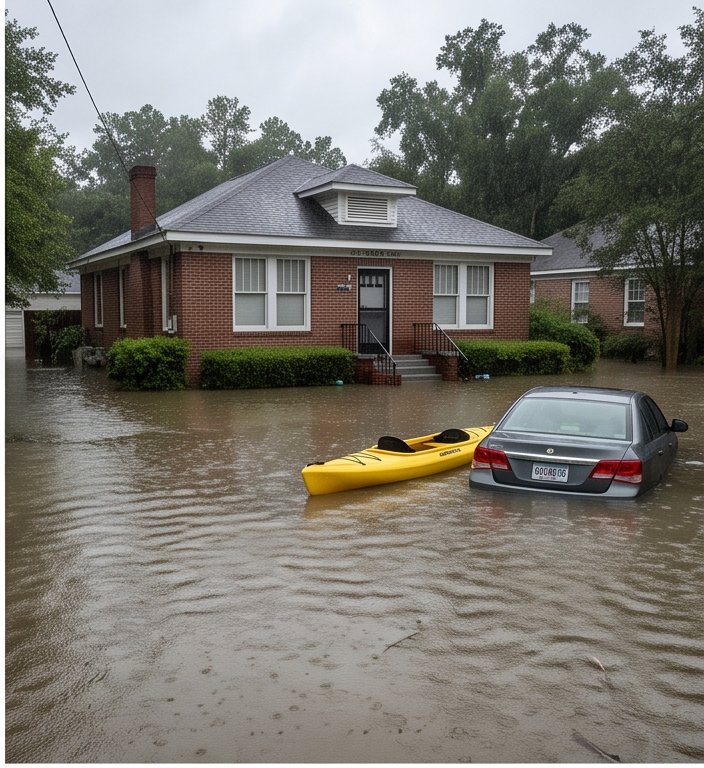
Gainesville Water Damage provides storm water damage restoration in Gainesville, GA, for homes and properties affected by heavy rainfall, roof leaks, surface water, and weather related flooding. We help identify where water entered, remove standing water, and dry the affected structure.
Storm Damage Is Not Always Obvious
Some storm damage is immediately visible. You may see standing water, a leaking ceiling, wet carpet, or missing roof materials. Other problems remain concealed until stains, odors, or warped materials appear.
Storm water can travel:
- Beneath shingles and roofing underlayment
- Through damaged flashing
- Around windows and doors
- Behind siding
- Through attic insulation
- Down wall cavities
- Beneath flooring
- Through foundation cracks
- Into basements and crawl spaces
- Around plumbing and utility penetrations
A ceiling stain may be several feet away from the actual roof opening because water can run along rafters, pipes, and framing before becoming visible.
Gainesville and North Georgia Storm Conditions
North Georgia regularly experiences thunderstorms capable of producing heavy rain, strong wind, and localized flooding. The National Weather Service monitors Hall County for severe thunderstorms, flash flooding, and other weather hazards. ([National Weather Service][11])
Hall County also offers an alert system that can notify residents about floods and severe weather. Registering for local alerts and paying attention to official warnings can provide additional time to protect your family and property. ([Hall County][7])
Never drive or walk through moving flood water. Your personal safety is more important than inspecting property damage during an active storm.
What to Do After Storm Water Enters Your Property
Wait until conditions are safe before entering the affected area. Look for damaged electrical systems, unstable ceilings, broken glass, roof damage, and contaminated flood water.
When safe:
- Photograph exterior and interior damage
- Place containers beneath minor roof drips
- Move dry belongings away from wet areas
- Cover damaged openings only when it can be done safely
- Contact a roofer or other service team to stop active entry
- Call a water damage restoration company
- Notify your insurance carrier
- Keep receipts for emergency work and temporary protection
Do not climb onto a wet or damaged roof. Temporary roof work should be performed by someone with the equipment and experience to do it safely.
Our Storm Water Damage Restoration Process
Inspection and Water Entry Assessment
We inspect the visible damage and look for the path the water followed. Moisture readings may be taken in ceilings, walls, floors, insulation, and nearby rooms.
The restoration company may identify where water appears to have entered, but a roofer, window service team, drainage specialist, or foundation professional may be needed to complete permanent exterior repairs.
Emergency Water Extraction
Standing water is removed from affected floors, basements, and rooms. Emergency water extraction equipment may also be used on carpet and other materials.
Removing water early helps reduce continued absorption and gives the drying process a better starting point.
Evaluating Water Contamination
Rain entering directly through a recent roof opening may be handled differently from surface water that flowed across soil, pavement, or landscaping before entering the building.
Outside flood water may contain sewage, chemicals, animal waste, soil, and other contaminants. The CDC warns that flooded buildings may be contaminated with sewage or mold and should be entered carefully. ([CDC][3])
Removing Damaged Materials
Saturated insulation, drywall, carpet padding, ceiling materials, and flooring may need to be removed when they cannot be cleaned or dried properly.
The amount of removal depends on water quality, length of exposure, material condition, and access to hidden areas.
Structural Drying
After extraction and necessary removal, air movers and dehumidifiers help dry the remaining structure. Attics, wall cavities, floor systems, and basements may require specialized drying arrangements.
Wet materials should be dried promptly. The EPA notes that mold growth can often be avoided when damp materials are dried within approximately 24 to 48 hours. ([US EPA][1])
Cleaning and Repairs
Remaining surfaces are cleaned according to the type of water and contamination present. After drying, the property can be prepared for roof repairs, drywall replacement, flooring work, painting, and other reconstruction.
Roof Leaks and Ceiling Damage
Roof leaks may affect attic insulation before reaching a finished ceiling. Wet insulation can hold moisture against framing and drywall.
Watch for:
- Brown or yellow ceiling stains
- Peeling paint
- Bubbling drywall
- Damp attic insulation
- Dripping light fixtures
- Sagging ceiling sections
- Musty attic odors
- Wet walls beneath the roofline
Stay away from sagging ceilings. Saturated drywall and insulation can become heavy and unstable.
Basement Flooding After a Storm
Storm water may enter lower levels through windows, doors, drains, foundation cracks, or areas where water collects near the home.
Outside flood water should not be assumed to be clean. Keep children and pets away and avoid direct contact until the source and contamination level are understood.
Basement cleanup may involve extraction, removal of damaged contents, disposal of contaminated porous materials, cleaning, dehumidification, and foundation or drainage repairs.
Insurance Documentation After Storm Damage
Photograph damaged roofing, siding, windows, ceilings, floors, furniture, and belongings before cleanup whenever possible. Create a written list of damaged items and save receipts for emergency work.
Insurance policies may treat wind driven rain, roof leaks, groundwater, surface flooding, and maintenance problems differently. Your insurer determines whether a specific loss is covered.
Clear documentation can help show what happened, which rooms were affected, and what emergency measures were taken to protect the property.
Storm Water Damage Help in Gainesville
Storm damage can affect several parts of a property at once. You may need a restoration company, roofer, electrician, plumber, or other specialist to complete the recovery.
Gainesville Water Damage helps coordinate the water removal and drying portion of the process. We inspect affected materials, remove standing water, locate hidden moisture, and prepare damaged spaces for repair.
Restore Your Property After the Storm
Water that enters during a storm can continue causing damage after the rain stops. Moisture may remain inside walls, ceilings, insulation, and floors even when the room appears dry.
Contact Gainesville Water Damage for storm water damage restoration in Gainesville, GA. We will help remove the water, dry affected materials, document visible damage, and move your property toward a complete recovery.