Burst Pipe Cleanup in Gainesville, GA
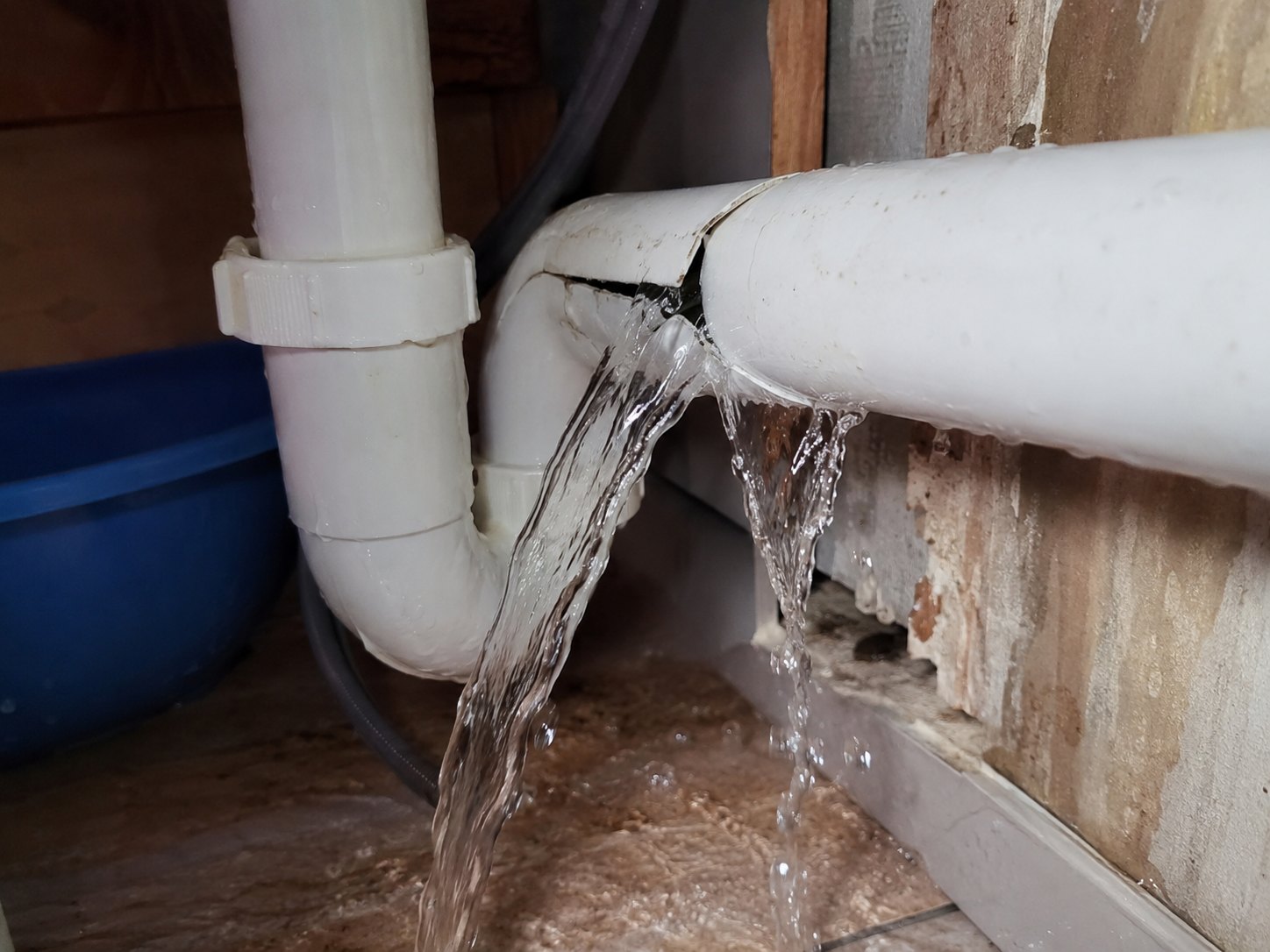
A burst pipe can release water faster than most homeowners expect. Within minutes, water may spread across floors, soak through ceilings, enter wall cavities, and reach rooms far from the original break. Even after the water supply is shut off, the property may continue to experience damage from moisture trapped inside building materials.
Gainesville Water Damage provides burst pipe cleanup in Gainesville, GA, for homes and properties affected by broken plumbing lines and sudden leaks. We help remove the water, find hidden moisture, dry the structure, and prepare damaged areas for repair.
What Causes Pipes to Burst or Fail?
Pipes can break for several reasons. Cold weather is one possible cause, but plumbing failures can happen at any time of year.
Common causes include:
- Freezing temperatures
- Aging or corroded plumbing
- Excessive water pressure
- Loose connections
- Accidental damage during remodeling
- Deteriorated appliance supply lines
- Poor installation
- Movement inside walls or foundations
- Clogged pipes that increase pressure
- Damage from nails, screws, or tools
Some pipe failures are dramatic, with water pouring from a wall or ceiling. Others begin as a small split that slowly releases water into an enclosed area.
Signs of a Hidden Pipe Leak
Not every broken pipe is immediately visible. Watch for changes that may indicate a concealed plumbing problem:
- Unexpected increases in water use
- Damp or discolored drywall
- Bubbling paint
- Warped flooring
- Musty odors
- Reduced water pressure
- Sounds of running water when fixtures are off
- Wet cabinets or baseboards
- Soft spots in walls or ceilings
- Water collecting beneath the home
A leak inside a wall may affect insulation, framing, electrical components, and flooring before water becomes visible in the room.
What to Do When a Pipe Bursts
The first priority is stopping the water. Shut off the nearest fixture valve or the main water supply when it is safe to do so.
Next, consider electrical hazards. If water is near lights, outlets, appliances, or the electrical panel, do not enter the affected area. Contact the appropriate professional before attempting to move through standing water.
Once immediate safety concerns are addressed:
- Call a plumber to repair the pipe
- Contact a water damage cleanup company
- Move dry belongings away from the affected area
- Place containers beneath active drips if safe
- Photograph the water and visible damage
- Notify your insurance company when appropriate
- Avoid cutting into walls without knowing what is behind them
A plumber repairs the broken pipe. A water damage restoration company handles the water that escaped and the damage it caused. Many losses require both services.
Our Burst Pipe Cleanup Process
Damage Inspection
We begin by evaluating where the pipe failed and where the water traveled. The wettest area is not always directly beneath the break.
Water can run along framing, pipes, wires, and ceiling materials before dripping into another room. Moisture detection helps locate affected areas that may not show visible staining.
Water Extraction
Standing water is removed from flooring, carpet, basements, and other affected spaces. Extracting water quickly reduces the amount that must later evaporate from building materials.
If carpet is affected, the carpet and padding are evaluated separately. Padding may retain a significant amount of water even when the carpet surface no longer feels saturated.
Controlled Material Removal
Drywall, insulation, trim, flooring, or cabinets may need to be opened or removed to access trapped moisture. The amount of removal depends on the location of the pipe, the duration of the leak, and the condition of the materials.
The goal is not to remove more than necessary. It is to create enough access for inspection, cleaning, and drying.
Structural Drying
Air movers and dehumidification equipment are positioned to dry wet materials and lower indoor humidity. Moisture levels are monitored during the process.
The EPA recommends addressing plumbing leaks quickly and drying wet items completely. Porous materials that become moldy may be difficult or impossible to clean thoroughly. ([US EPA][9])
Cleaning and Preparation for Repairs
Once the property is dry, affected surfaces may be cleaned and deodorized. Damaged areas can then be prepared for drywall replacement, painting, flooring installation, or other repairs.
Ceiling and Wall Water Damage
Burst pipes frequently occur above ceilings or inside walls. Water may cause drywall to sag, crack, or separate from framing.
Never stand beneath a bulging or heavily saturated ceiling. Wet drywall can become heavy and may fall without warning. The area should be kept clear until it can be evaluated safely.
Ceiling damage may require:
- Draining trapped water in a controlled manner
- Removing unstable drywall
- Inspecting insulation
- Checking wood framing
- Drying the ceiling cavity
- Evaluating nearby electrical components
- Cleaning and preparing the area for repairs
Simply repainting a water stain will not solve moisture remaining above the ceiling.
Can Wet Flooring Be Saved?
The answer depends on the flooring material, installation method, amount of water, and length of exposure.
Tile and concrete can often be cleaned and dried, although moisture may remain beneath them. Hardwood may cup, crown, or separate as it absorbs water. Laminate and particleboard products can swell permanently. Carpet may be recoverable after a clean water loss, but the padding often requires separate evaluation.
Moisture readings help determine whether water has reached the subfloor. Removing only the visible surface water may leave the structural layer wet.
Documenting a Burst Pipe Insurance Claim
Insurance coverage varies by policy. Sudden and accidental pipe damage may be treated differently from long term leakage, neglect, groundwater, or flooding.
Take clear photographs of:
- The broken pipe
- Standing water
- Damaged walls and flooring
- Wet belongings
- Removed materials
- Equipment used during drying
- Completed repairs
Avoid making statements about the cause until a plumber or other qualified professional has evaluated the failure. Keep receipts, estimates, and reports connected to the cleanup.
Burst Pipe Cleanup for Gainesville Homes
A pipe break can make your home feel unmanageable, but there is a clear path forward. Stop the source, remove the water, identify hidden moisture, and dry the affected structure.
Gainesville Water Damage provides burst pipe cleanup in Gainesville, GA, with attention to both visible and concealed damage. We help you understand what became wet and what needs to happen before repairs begin.
Get Help After a Broken Pipe
The sooner water is extracted and drying begins, the better the opportunity to limit additional damage. Do not assume walls, ceilings, or flooring are dry based only on how they look.
Contact Gainesville Water Damage for burst pipe cleanup in Gainesville, GA. We will help remove the water, evaluate hidden moisture, dry the affected areas, and prepare your property for restoration.