
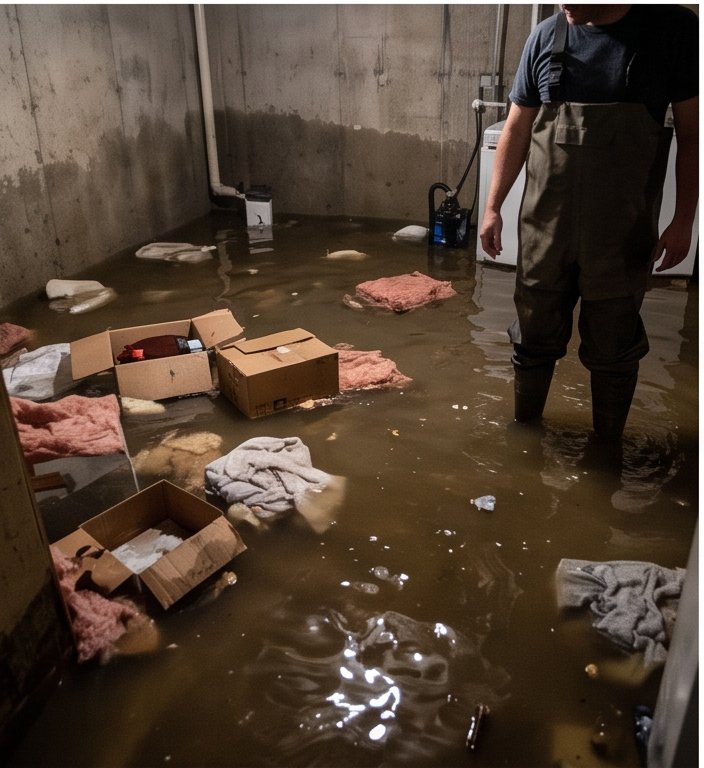
Basement Flood Cleanup in Gainesville, GA
A flooded basement can turn into a serious property problem in a matter of hours. Water may enter through foundation cracks, basement doors, plumbing lines, floor drains, windows, or failed sump equipment. Once inside, it can soak flooring, drywall, stored belongings, insulation, and structural materials.
Gainesville Water Damage provides basement flood cleanup in Gainesville, GA, for homeowners dealing with standing water, saturated materials, damp odors, and hidden moisture. We help remove the water, evaluate contamination, and dry the basement from the floor up.
Why Basement Water Damage Can Be Difficult
Basements and lower levels are especially vulnerable because water naturally moves toward the lowest point of a building. Even when the original leak occurs elsewhere, water may travel downward through walls, flooring, ducts, or utility openings.
Basements also tend to have limited airflow. Concrete, block walls, framing, carpet, and drywall can remain damp long after surface water disappears. Boxes, furniture, clothing, and other stored items may restrict air movement and hide wet areas.
Without proper extraction and dehumidification, a basement may develop:
- Musty or damp odors
- Swollen baseboards and trim
- Damaged drywall
- Loose flooring or carpet
- Rust or corrosion on metal items
- Staining on walls and floors
- Mold growth
- Damage to stored belongings
- Elevated humidity throughout the home
The EPA explains that moisture control is the key to mold control and recommends fixing the water problem and drying wet materials promptly. ([US EPA][6])
Common Causes of Basement Flooding
Understanding where the water came from helps determine the correct cleanup approach.
Heavy Rain and Surface Water
Periods of heavy rainfall can overwhelm drainage systems or cause water to collect near the foundation. Water may enter through basement windows, doors, cracks, utility openings, or low areas around the building.
The National Weather Service recognizes locally heavy rainfall and flash flooding as potential concerns in North Georgia. Hall County also maintains an emergency alert system for severe weather and flood notifications. ([Hall County][7])
Plumbing Failures
A broken supply line, leaking water heater, overflowing fixture, or damaged pipe can release a large amount of water into a basement. Finished basements may conceal the path of the water behind walls and beneath flooring.
Drain and Sewage Backups
Water entering through a floor drain, toilet, or sewage line may contain bacteria, waste, and other contaminants. This type of flooding requires stronger safety precautions than a clean supply line leak.
Sump Pump Problems
Sump pumps can fail because of mechanical problems, clogged lines, power outages, or water volume that exceeds the pump’s capacity. A malfunction may allow water to rise rapidly during a storm.
Foundation and Groundwater Intrusion
Small cracks, gaps, and porous foundation materials may allow moisture to enter slowly. These situations may not create deep standing water, but they can still damage walls, flooring, and belongings over time.
Our Basement Flood Cleanup Process
Safety and Source Evaluation
Before entering the basement, we consider the source of the water, electrical hazards, structural conditions, and contamination. Water near electrical panels, outlets, furnaces, or appliances should be treated carefully.
If sewage or outdoor flood water is present, children and pets should be kept away from the area.
Water Extraction
Standing water is removed using extraction equipment suited to the depth and size of the loss. Water may need to be removed from carpet, concrete, tile, or other flooring.
The goal is to take out as much liquid water as possible before beginning evaporation and dehumidification.
Moving and Evaluating Contents
Furniture, boxes, appliances, and stored belongings may need to be moved from the affected area. Items are evaluated based on the type of water involved, the material, the length of exposure, and whether they can be cleaned and dried.
Nonporous belongings are generally easier to clean than paper, upholstered furniture, mattresses, insulation, and other absorbent materials.
Removing Damaged Materials
Wet carpet padding, drywall, insulation, trim, and other materials may require removal when they are contaminated or cannot be dried effectively.
The CDC recommends discarding drywall and insulation that have been contaminated by sewage or flood water. ([CDC][8])
Removal decisions should be based on actual conditions rather than automatically tearing out everything. The objective is to preserve materials when reasonable while removing items that could interfere with safe drying.
Drying the Basement
Air movers and dehumidifiers help remove moisture from the basement and surrounding materials. Equipment placement may be adjusted as different areas reach acceptable moisture levels.
Concrete and masonry may look dry while continuing to release moisture into the air. For that reason, drying should be guided by moisture measurements and indoor humidity rather than appearance alone.
Cleaning and Odor Control
Affected surfaces may require cleaning, disinfection, or deodorizing. The cleaning method depends on whether the water originated from plumbing, rain, groundwater, sewage, or an unknown source.
Odor products should not be used as a substitute for removing contaminated materials and correcting hidden moisture.
Can Basement Belongings Be Saved?
Some belongings can be cleaned and dried. Others may be permanently damaged or unsafe to retain.
Items made from hard plastic, glass, metal, and sealed wood may be recoverable depending on contamination. Cardboard boxes, books, mattresses, upholstered furniture, and heavily saturated particleboard can be more difficult to restore.
When safe, document damaged items for your insurance records before disposal.
Preventing Another Basement Flood
After cleanup, consider why the flooding happened and what can be improved.
Possible preventive measures include:
- Repairing plumbing leaks
- Servicing or replacing a sump pump
- Installing a battery backup
- Clearing gutters and downspouts
- Extending downspouts away from the foundation
- Improving exterior grading
- Sealing foundation openings
- Repairing basement windows or doors
- Evaluating floor drains and sewer lines
- Installing water detection alarms
Basement Flood Cleanup You Can Feel Confident About
A basement is often where families store important belongings, set up living areas, or maintain essential mechanical equipment. Flooding can disrupt all of that and create uncertainty about what is safe.
Gainesville Water Damage approaches basement flood cleanup in Gainesville, GA, with a focus on careful evaluation, efficient water removal, and complete structural drying. We explain which areas are wet, which materials may be saved, and what additional repairs may be necessary.
Start Drying Your Basement Today
Do not wait for basement water to disappear on its own. Even when the water level drops, moisture may remain beneath flooring, behind drywall, and inside stored materials.
Contact Gainesville Water Damage for basement flood cleanup in Gainesville, GA. We will help remove the water, dry the affected area, clean damaged surfaces, and take the first steps toward making your basement usable again.